Serbia: A Unique Balkan Nation

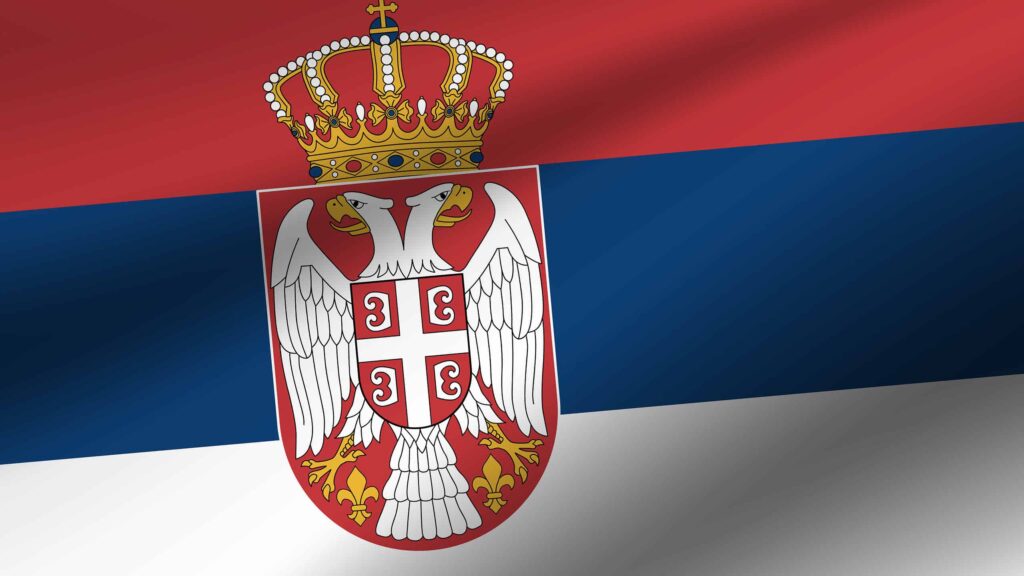
Serbia stands as the most significant remnant of the former Yugoslavia. It is the leading raspberry producer globally, a nation where the populace still holds a strong affection for Russians, yet struggles to articulate the unique sound “ы”.
The citizens here are remarkably joyful: they consume coffee throughout the day, view football as the ultimate sport in existence, and possess a unique talent for balancing diligent work with the enjoyment of relaxation.
General Information
Serbia (Србија, Srbija) is a nation located in the Balkans, encompassing the majority of a peninsula along with a small section of the Pannonian Plain. The population stands at seven million, with Serbs constituting 85% of the ethnic demographic.
Casino Bonuses

100% up to C$750 + 200 Free Spins
- Welcome Package up to C$2,000
- 10% Weekly Cashback

150% up to C$500 + 100 Free Spins
- Welcome Bonus up to C$1,500
- 50 Free Spins Every Friday

100% up to C$1,000 + 150 Free Spins
- Up to C$3,000 on First 3 Deposits
- 25% Reload Every Monday
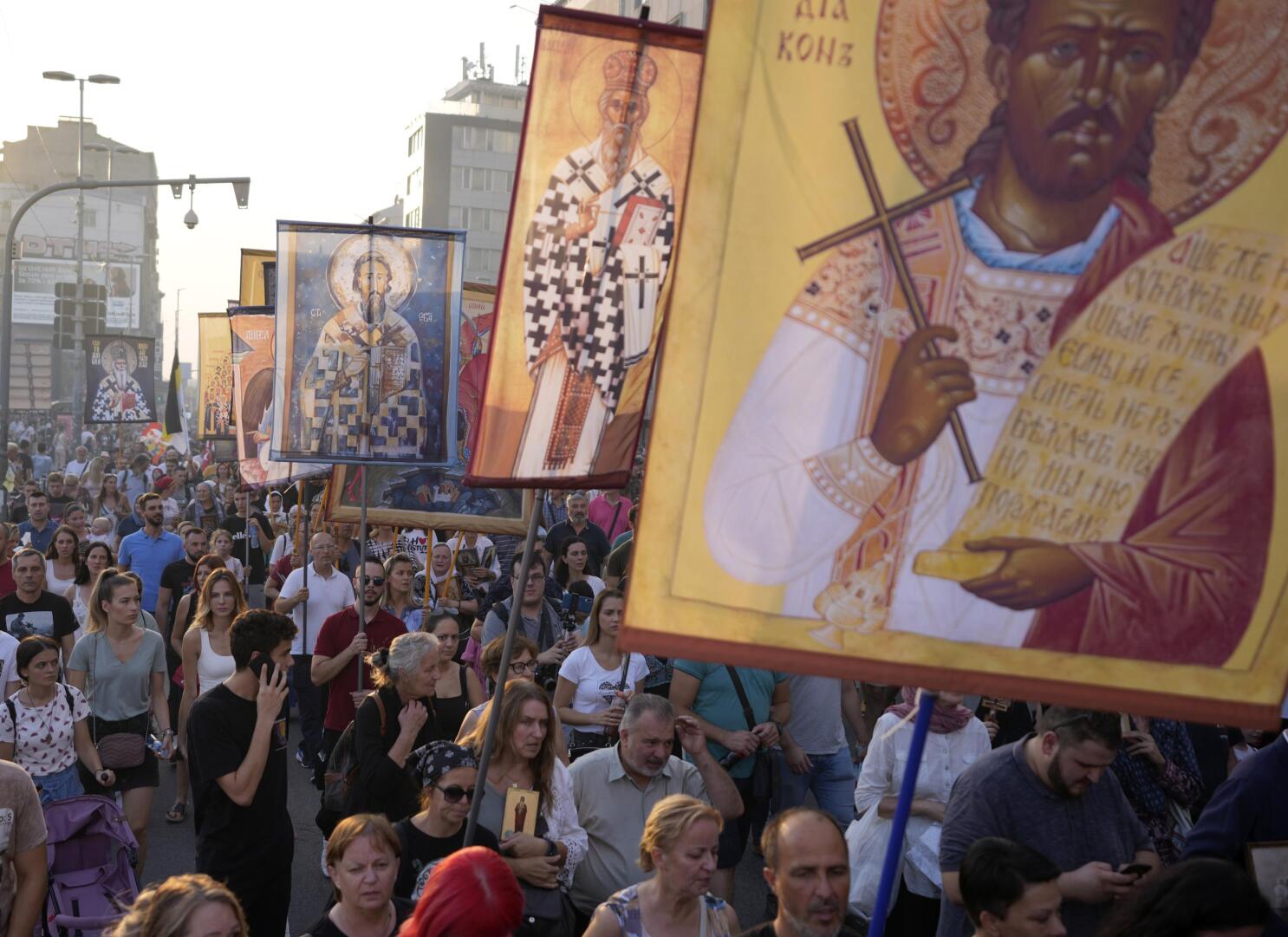
The nation is both mono-ethnic and mono-religious: approximately 90% of the population adheres to Orthodox Christianity. The remaining 10% includes Catholics, Muslims, and Protestants.
Historical Background
The Serbs have made numerous efforts throughout their long history to establish an independent nation. The first recorded instance of this occurred in the 8th century with the emergence of the Principality of Serbia, which unified various Slavic tribes.
Over time, the Principality evolved into a fully developed state under Byzantine influence. However, in the 12th century, it achieved autonomy and transformed into a formidable nation.
This era of prosperity lasted for over a century. By the late 14th century, the territories ruled by Serbian princes fell completely under the Ottoman Empire’s control following their defeat in the Battle of Kosovo.
The Ottoman Empire’s dominance persisted for nearly 400 years, significantly affecting the lifestyle of the Serbian people, including their cuisine, cultural practices, and music.
The 19th century was marked by significant turmoil. The First Serbian Uprising began in 1804 and lasted for a decade. This was followed by the Second Serbian Uprising in 1815, which resulted in the establishment of the Principality of Serbia and the country’s independence from Ottoman rule. In 1873, Serbia achieved full independence, and by 1883, it was declared a Kingdom.
The early 20th century was also turbulent. Internal strife plagued Serbia, leading to successive wars. During this time, the nation’s territory expanded to include parts of Macedonia and Kosovo. In 1929, the Kingdom of Yugoslavia was formed, uniting Serbs, Croats, and Slovenes.
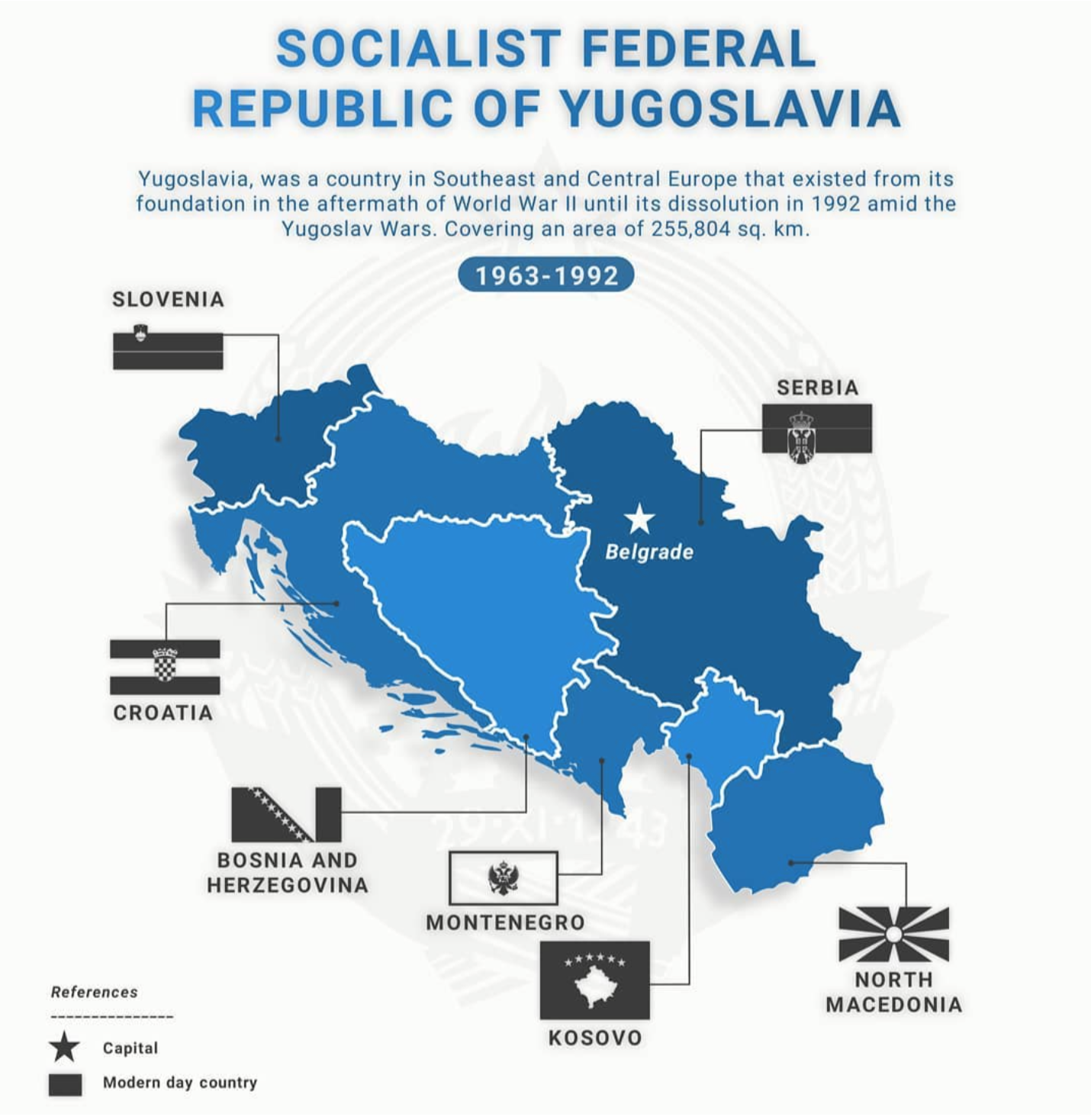
After World War II, the Kingdom was dissolved, giving way to the Federal People’s Republic of Yugoslavia, with Josip Broz Tito as President. In the early 1960s, the country’s name was changed to the Socialist Federal Republic of Yugoslavia.
Serbia remained a part of this federation until the early 1990s. The disintegration of Yugoslavia unfolded over 17 years, during which Croatia, Slovenia, Macedonia, and Bosnia and Herzegovina declared independence, while Serbia stayed within the federation until the end.
In 2006, the federation was dissolved when Montenegro seceded. Two years later, the Republic of Kosovo followed suit. Presently, Serbia functions as an independent parliamentary republic, with Belgrade as its capital city.
Serbia is a landlocked nation bordered by former states of the Socialist Federal Republic of Yugoslavia and Hungary. The currency used is the Serbian dinar.
Most visitors will require a visa to enter Serbia, although citizens from EU member states, the USA, Japan, the Russian Federation, Ukraine, and Belarus can enter without a visa.
Getting There
The most efficient and economical method to reach Serbia is by purchasing an airline ticket. Numerous European nations offer direct flights.
Bus services to Serbia are generally available, often requiring transfers in adjacent countries.
Lodging
The hospitality sector in Serbia has consistently been robust. Neither wars nor NATO bombings, nor the prolonged economic recovery, have hindered its advancement. Although Serbia lacks marine borders and beaches, it boasts numerous locations for a delightful getaway.
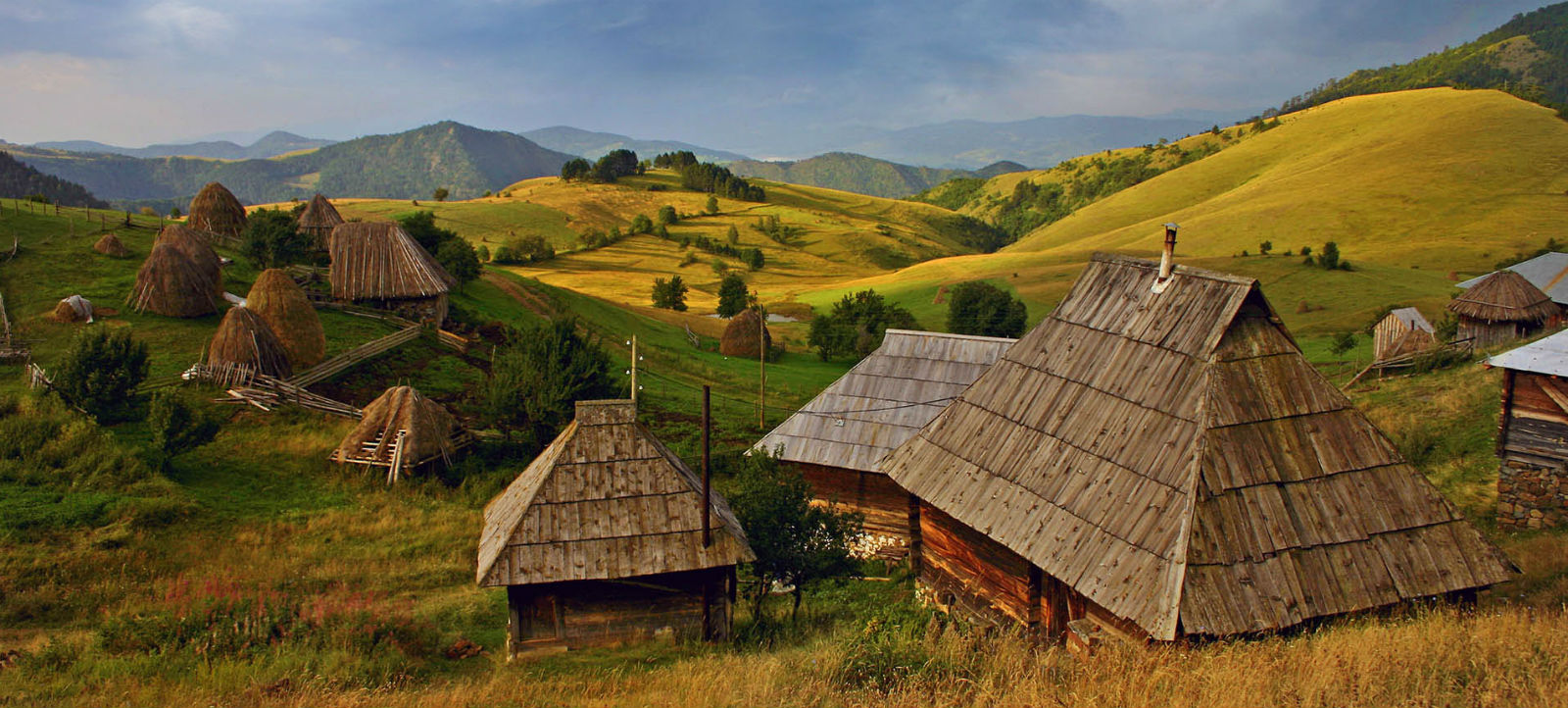
Serbia is a popular choice for those who enjoy rural tourism. Visitors can expect to unwind in fresh air while enjoying simple yet tasty organic meals and engaging with Serbs, who are known for their friendliness and warmth.
Another reason foreign visitors opt for wellness trips is the recreational opportunities at Serbian resorts. The names of these resort areas often contain the term ‘banja’:
- Ivanjica Banja is a resort that treats blood, neurological, and bone disorders, as well as providing post-cancer treatment.
- Banja Kulaši is recommended for individuals with issues related to the digestive system, liver, and gallbladder.
- Banja Kanjiža is known for its effective treatment of musculoskeletal disorders and age-related bone changes.
- Niška Banja is a treatment destination for those experiencing heart conditions and vascular issues.
- Prolom Banja assists individuals with kidney, liver, and digestive system ailments.
The resorts utilise healing mud and thermo-mineral waters found in Serbia for their treatments.
The facilities are quite satisfactory, and the rates are significantly lower compared to other European resorts.
Culinary tours represent another appealing aspect of tourism. This option is highly sought after by food enthusiasts and those eager to explore new cuisines. Everyone leaves satisfied due to the delicious, hearty, and affordable meals available.
The choice of lodging should align with the purpose and duration of your visit to Serbia. Those planning to stay for a couple of days might consider hotels, hostels, or guesthouses.
Hotels in Serbia offer high-quality service and more affordable rates compared to other European nations:
- Agent Lux Apartments is a four-star hotel located in Jagodina, featuring modern-style rooms equipped with bathrooms, free Wi-Fi, and parking. Pets are permitted.
- F apartmani Kragujevac is a four-star establishment in Kragujevac, with each room containing a kitchenette and washing machine. Parking is complimentary.
- Habitat-Hostel is a youth hostel situated in Belgrade, just a 10-minute walk from the Nikola Tesla Museum. The hostel offers comfortable rooms (both private and shared), with free parking and Wi-Fi. Pets are welcome.
- Accommodation Glorius is a pleasant hotel in Niš, located a 20-minute walk from Niš Fortress, offering simple yet comfortable rooms with quality service.
- Guest House Little Heaven is a guest house in Uzice ideal for rural tourism enthusiasts, featuring a shared kitchen and lounge area. The rooms are tidy and comfortable, and the guest house provides bike rentals for exploring the area. A mountain ski resort is nearby.
For extended stays in Serbia, renting an apartment or house is advisable, especially for families with children. The most convenient method for securing a rental is through websites like https://www.airbnb.co.uk/ and https://www.vrbo.com/ (formerly known as Home Away).
Attractions to Explore
Stunning natural landscapes, relics from ancient eras, historic Orthodox monasteries, and national parks are just a few of the highlights that Serbia has to offer.
While experiencing the full splendour of this Balkan nation in just a few days is not feasible, there are certain locations that should be prioritized for a visit.
Belgrade
The capital of Serbia has a rich history. It was established by Celtic tribes and later came under Roman control for an extended duration. Subsequently, it was invaded by Germanic tribes, Sarmatians, and Avars. Belgrade has experienced cycles of destruction and rebuilding, having been reconstructed 38 times following various conflicts.
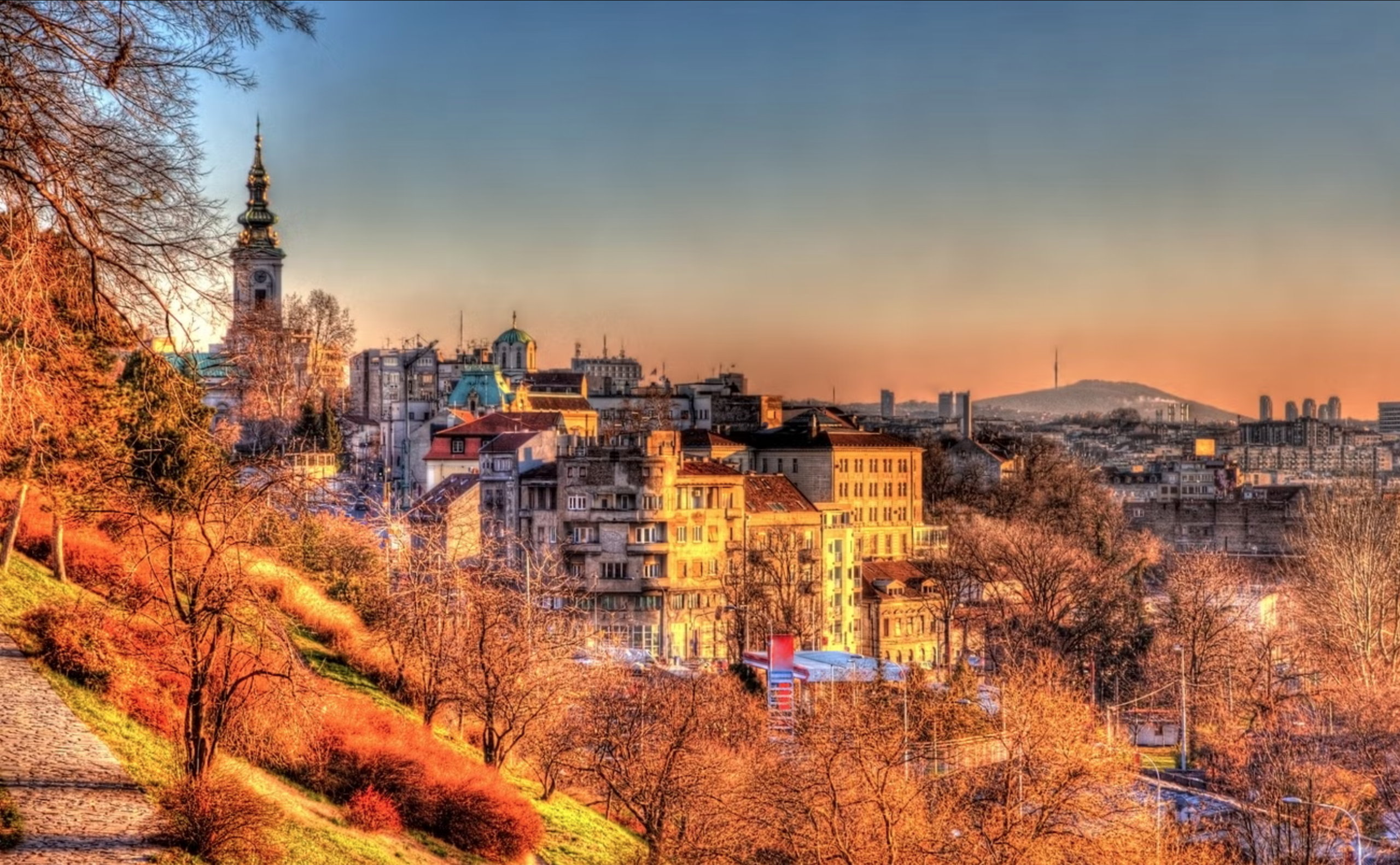
The Serbian population began to inhabit these territories in the 7th century. The city of Belgrade was referenced in correspondence from Vladimir-Mikhail, the Prince of Bulgaria, in the year 887.
Each historical period has left its mark on the city’s architecture. Strolling through its streets, one can observe the palaces of the Karađorđević dynasty, the residences of princes, Turkish mosques and hammams, ancient fortifications, alongside contemporary hotels, shopping centres, and office buildings.
Begin your exploration at Belgrade’s historical hub – Knez Mihailova Street, regarded as one of the most stunning pedestrian thoroughfares in Europe. You can enjoy a meal at various cafés and restaurants or shop in numerous fashion boutiques and shopping arcades.
The royal palaces also provide a compelling reason to visit Belgrade. The striking architecture of both the winter and summer residences, along with their ornate decorations, is truly remarkable. Exquisite wooden furniture, intricate stucco work, opulent chandeliers, tapestries, and paintings are all visually stunning.
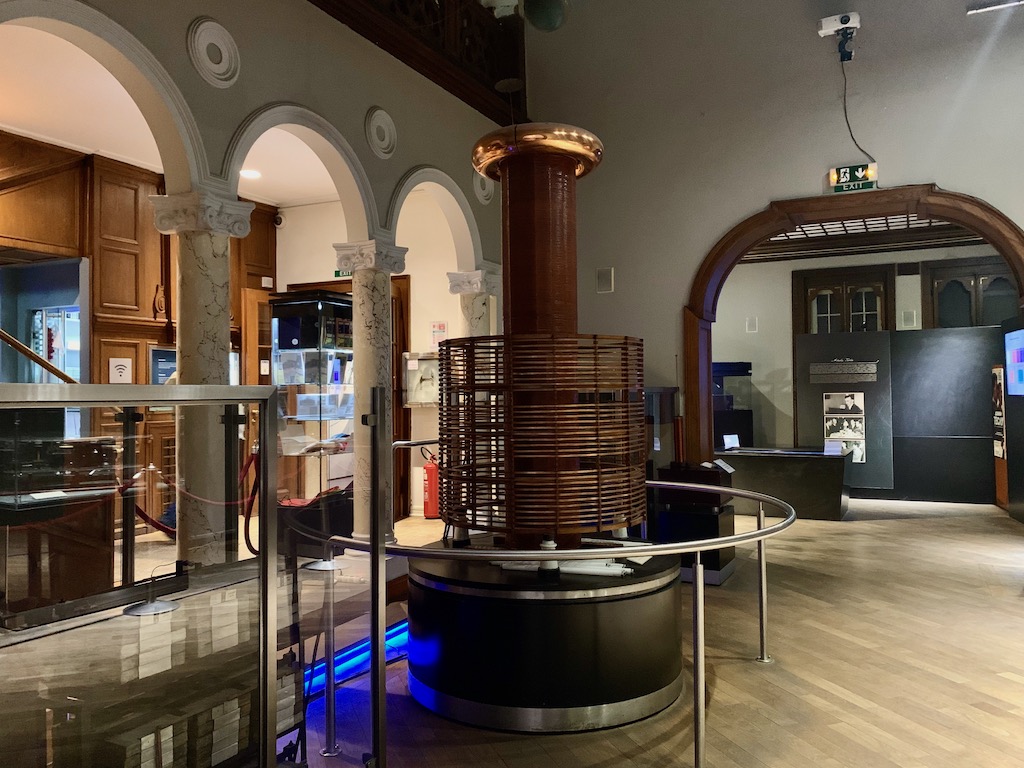
The Nikola Tesla Museum is another essential destination in Belgrade. No other Serbian figure has inspired such immense pride among their fellow countrymen. Even the legacy of the highly respected Josip Broz Tito, the first president of post-war Serbia, pales in comparison to that of the scientist and inventor.
The Skadarlija district, situated close to Republic Square, is an ideal spot for those who appreciate art and a bohemian lifestyle. The charm of this 600-metre vintage street closely resembles the vibrant and adventurous atmosphere of Montmartre in Paris.
Zlatibor
This mountain range boasts a lovely Slavic name. It is a popular destination for relaxation among Serbs and visitors from around the globe. The region enjoys clear weather, with sunshine for 200 days each year. The climate of Zlatibor is a distinctive mix of Alpine and Mediterranean types. Such a combination is found nowhere else on the planet.
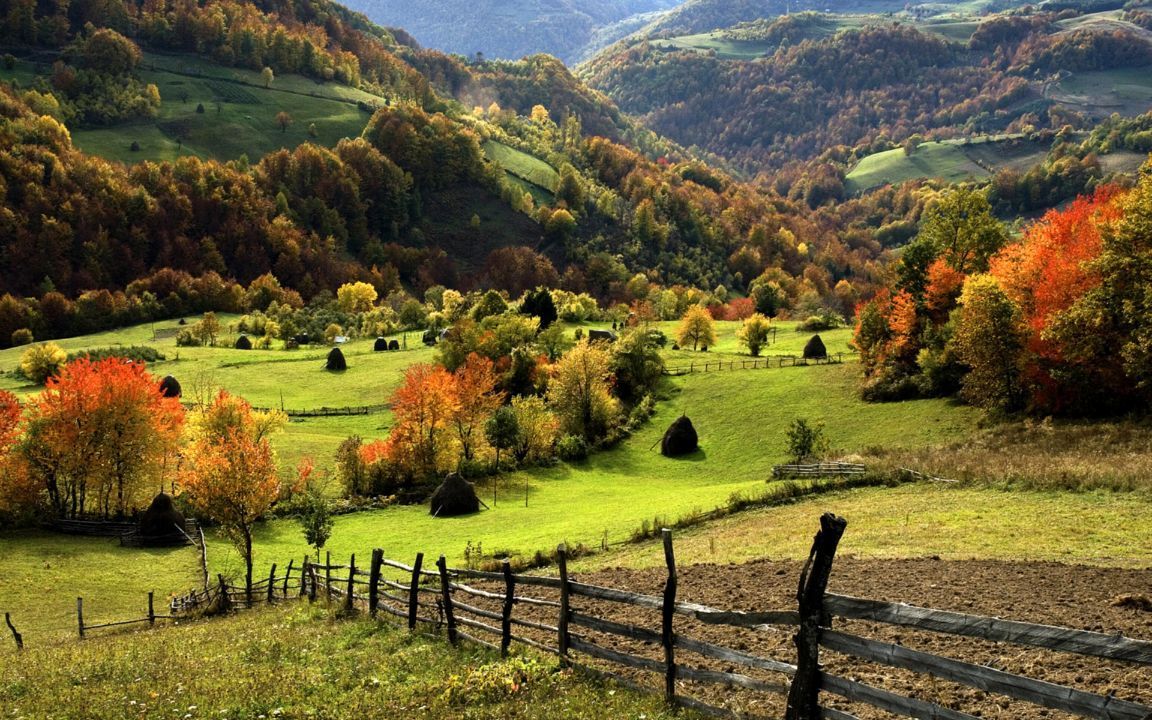
Individuals visit this location not only for mental relaxation but also for various treatments. The thermal springs are beneficial in addressing numerous health issues, such as anaemia and thyroid disorders.
Devil’s Town (Đavolja Varoš)
This eerie and somewhat mystical designation for the rock formation arises from the natural stone pillars situated near Kuršumlija. The ‘bloody waters’ enhance the sense of dread. The streams and rivers exhibit a red hue due to the tint produced by a high degree of mineral content. These springs are referred to as Devil’s Water and Red Well.
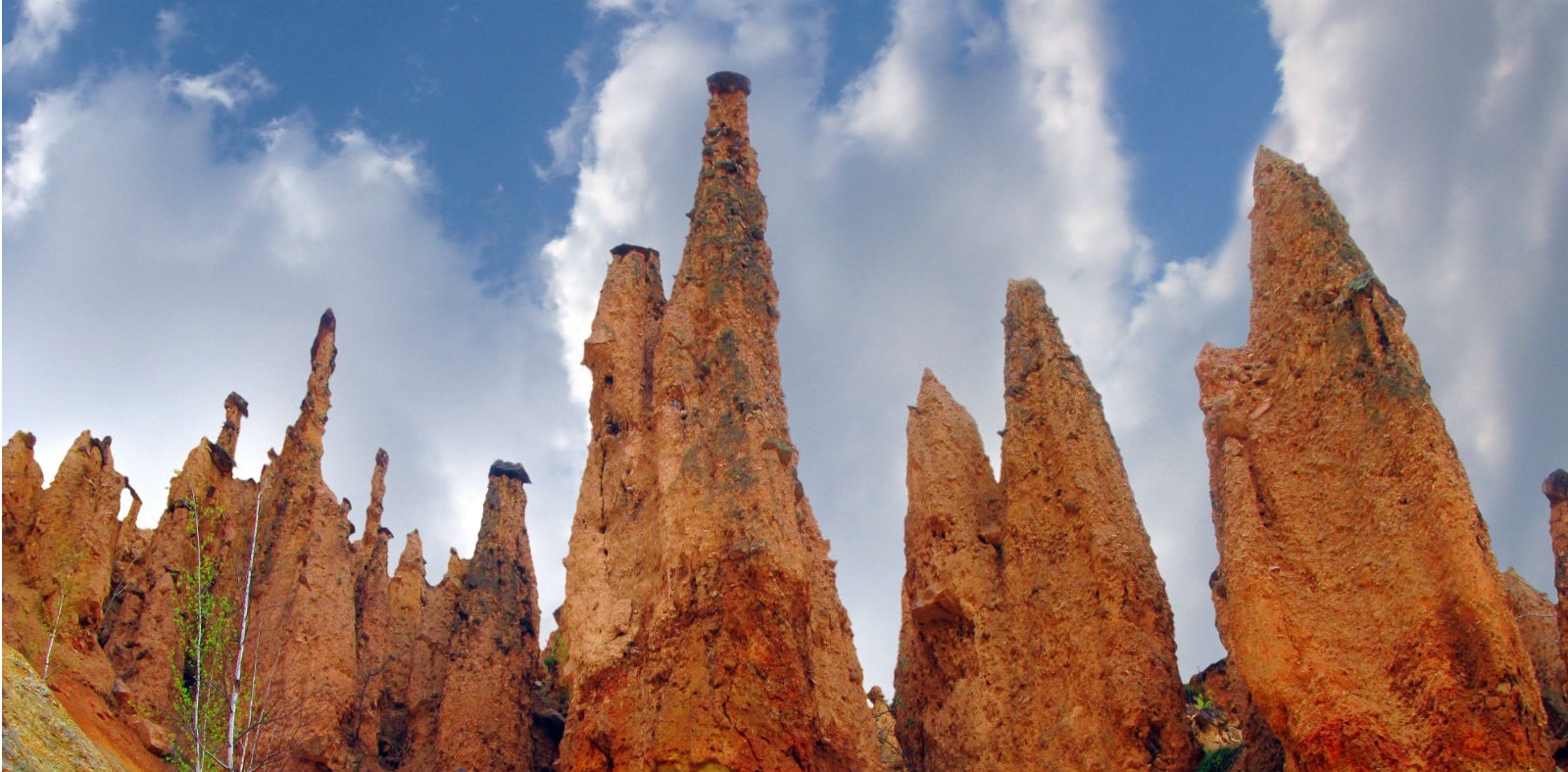
Guided excursions in this area are conducted exclusively at night, as the dense shadows and mystical ambience amplify the feeling of a foreboding atmosphere.
Fruška Gora
The national park is situated close to Novi Sad, the second-largest city in Serbia, and spans an area of 22,000 km2.
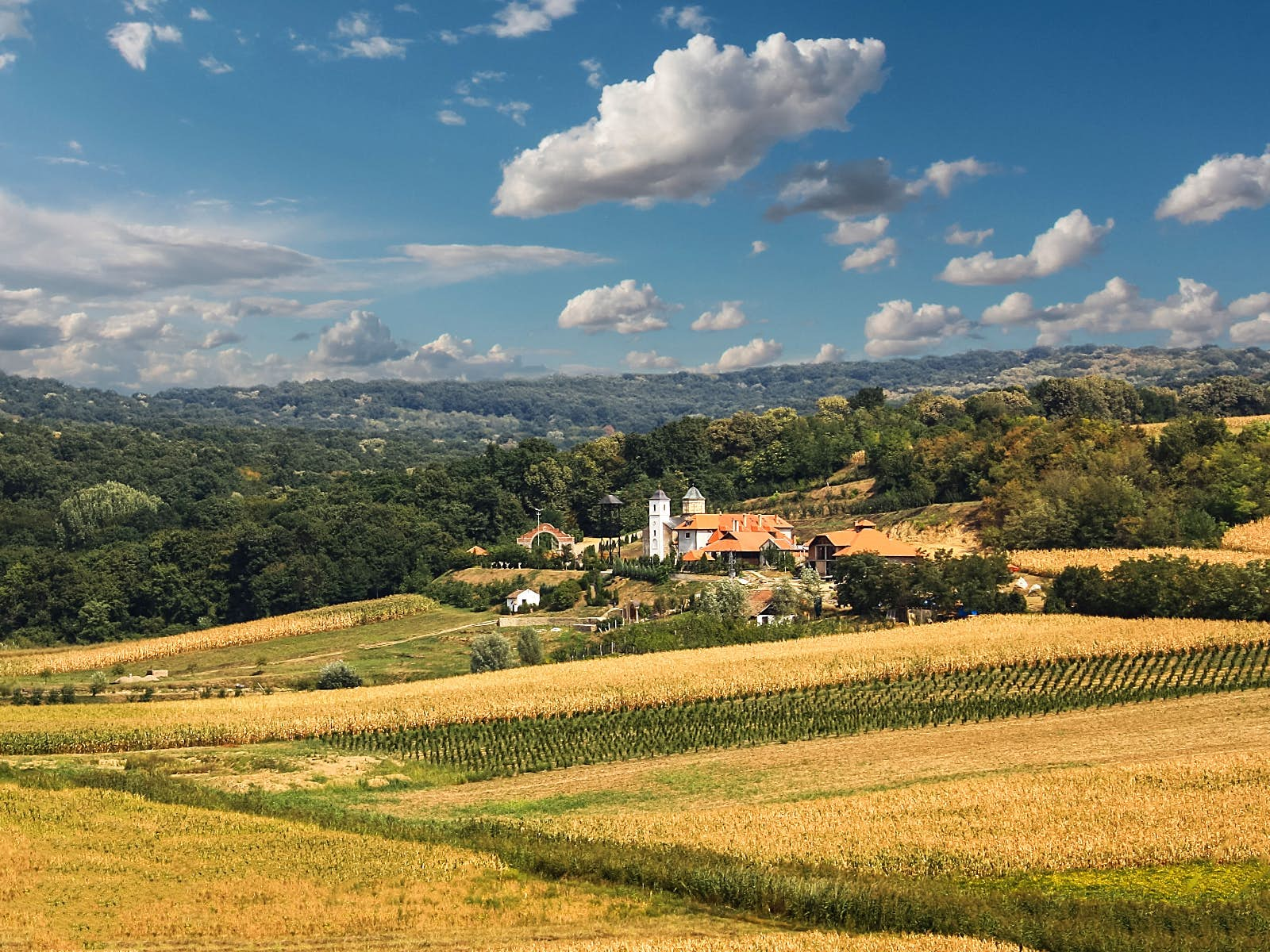
Before World War II, it was an entire town of monasteries that included 30 monasteries.
Conflicts, bombings, and the passage of time have caused significant damage to most of them. Nonetheless, the structures are currently undergoing active restoration, with over half already refurbished. The park has achieved its ‘national’ designation due to its distinctive flora and fauna, which feature hundreds of rare plant species and endangered animal species.
Serbs enjoy visiting this area to camp on weekends and relax. Many tourists from around the globe frequently capture photographs and videos of the breathtaking landscapes.
Smederevo Fortress
An example of medieval Serbian architecture is the fortress built to defend the capital of the Serbian Despotate from invaders. Even today, ancient relics and burial grounds of the nobility are occasionally uncovered during excavations. Adventurers of all kinds are intrigued by the old tales regarding the lavish treasures that are said to be sealed within the fortress’s walls. Thus, these sites are a haven for treasure hunters.
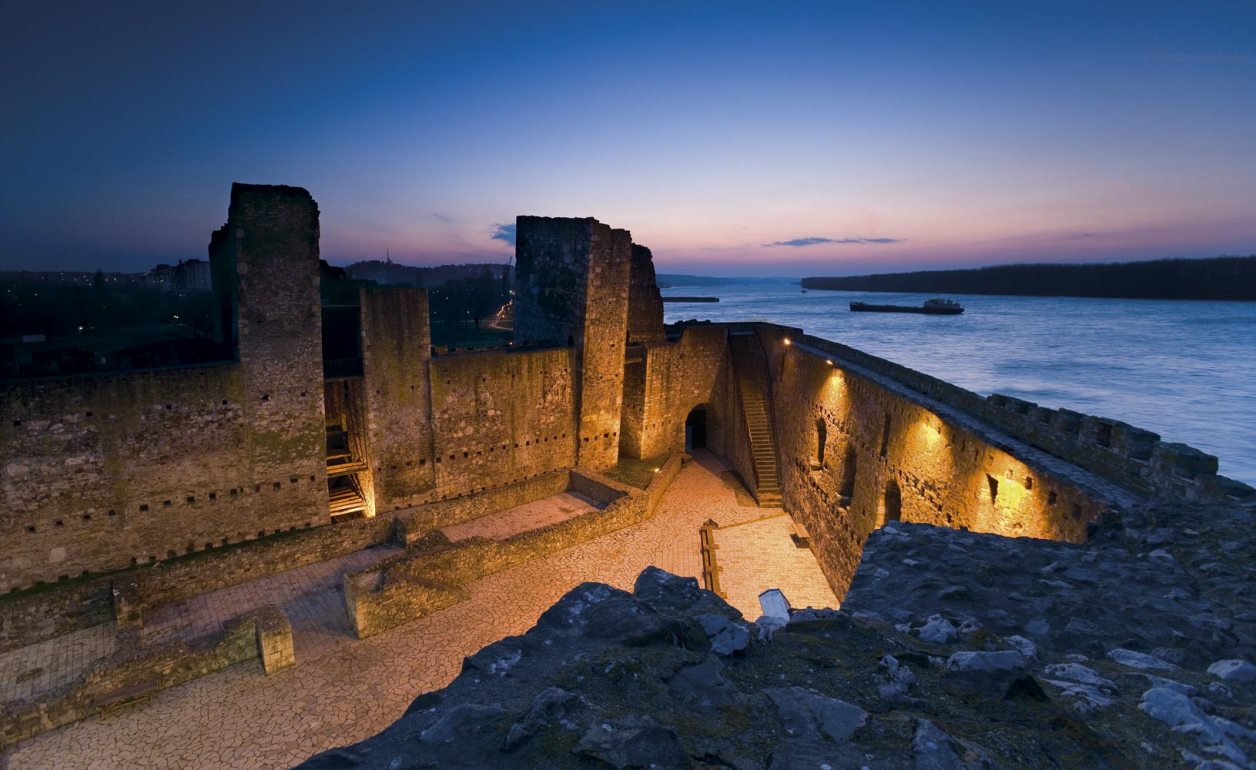
You can reach Smederevo by bus from Belgrade.
Cuisine
Serbian gastronomy is a remarkable blend of the culinary traditions from the Balkans, Austria, Hungary, Turkey, and Greece. The impact of each country differs by area. For instance, in northern Serbia, dishes influenced by Bulgarian, Hungarian, and Romanian cuisines are prevalent, including goulash, paprikash, mamaliga, pork sausages, ragouts, and various soups.
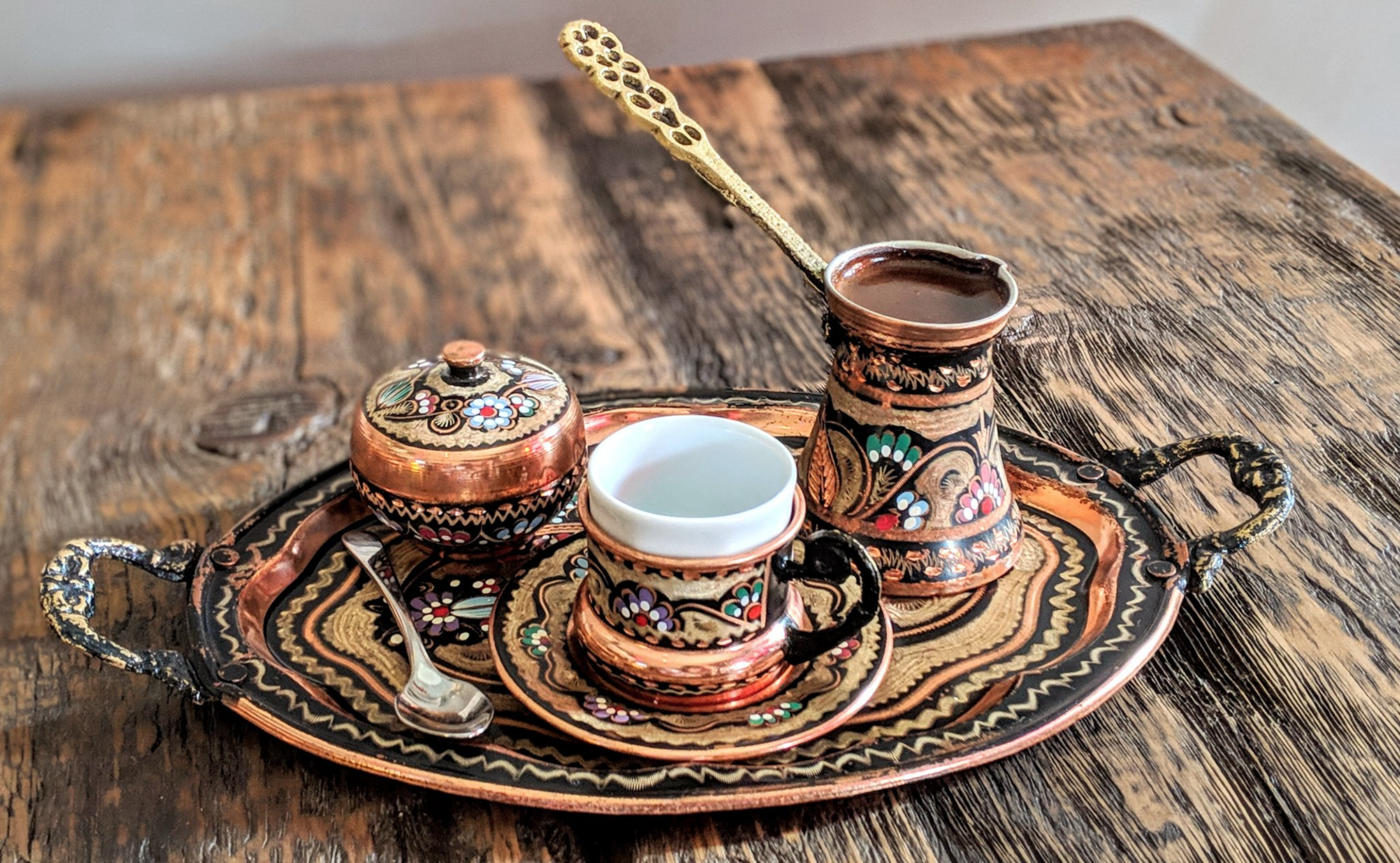
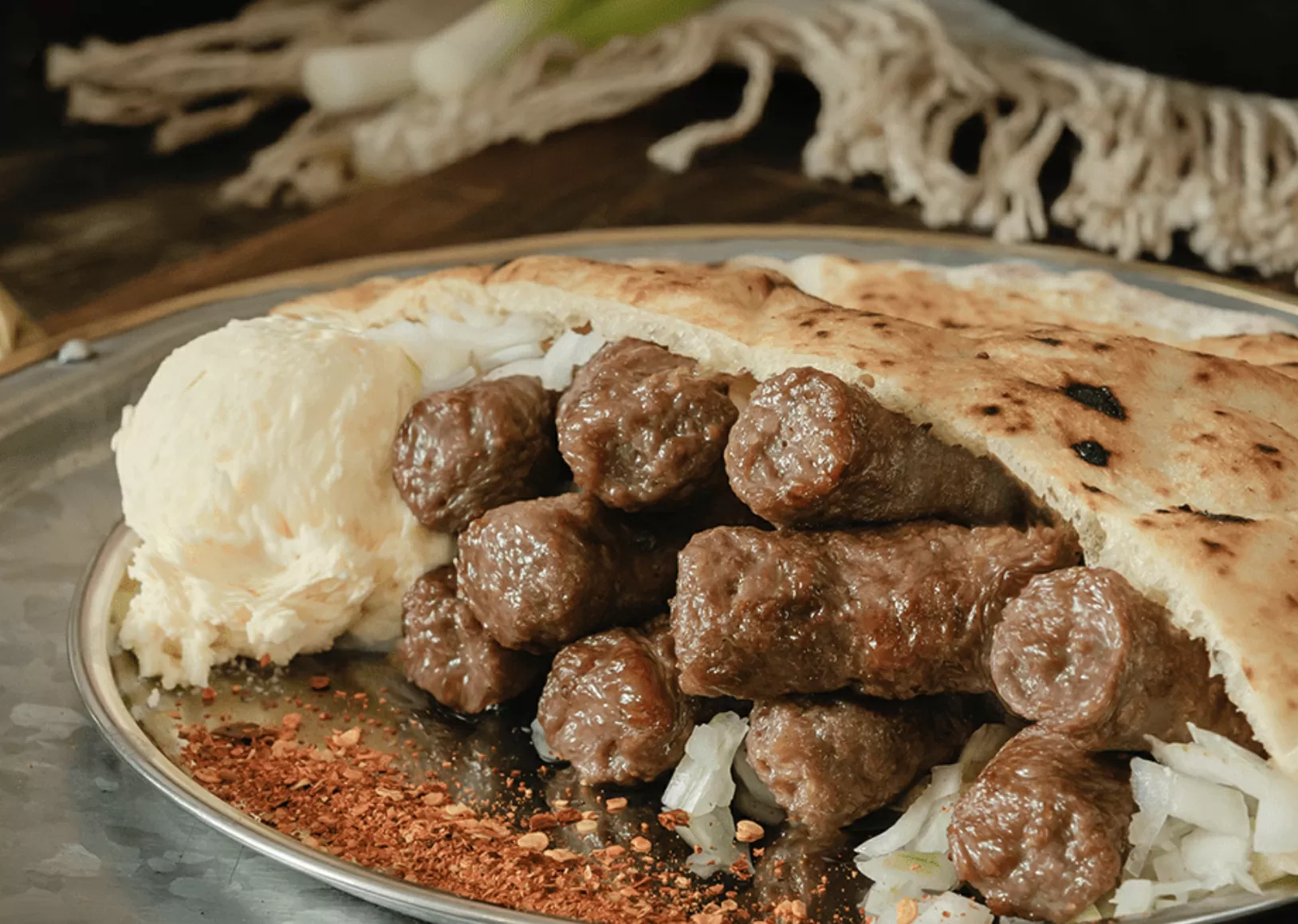
Four centuries of Ottoman dominance have also shaped Serbian cooking. Turkish culinary styles and dishes are predominant across most regions.
Those who have visited Turkish resorts and then come to Serbia may observe the similarities. Many people claim that Serbian cuisine is nearly identical to Turkish cuisine, but with a slight edge in flavour.
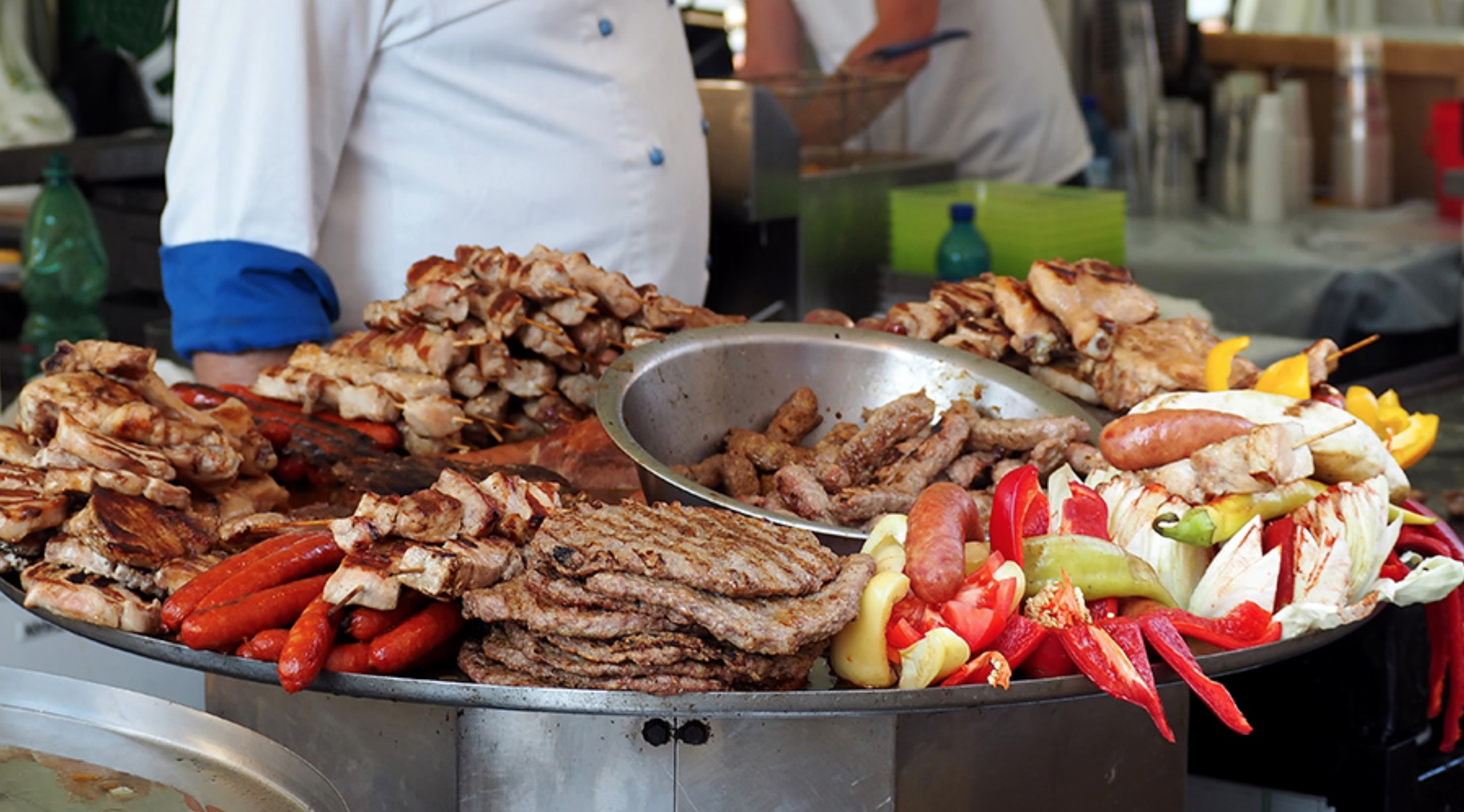
The Ottomans introduced numerous mutton dishes, including kebabs, koftas, and shish kebabs (made with meat, vegetables, and fish). Cevapcici, pljeskavica, and raznjici are commonly prepared everywhere, whether in restaurants, homes, or during picnics. Nevertheless, Serbs enjoy incorporating distinctly Serbian elements like unique local spice combinations. They have a particular fondness for anything grilled over charcoal, resulting in delicious meals.
Serbs have a strong affection for pies, both savoury and sweet. Women typically know at least ten different recipes for pita, gibanica (cottage cheese pastry), burek (layered meat pie), and crompirusa (potato burek).
Serbian koh is a delightful semolina sponge cake that is soaked in vanilla milk, usually prepared on weekends.
When it comes to beverages, coffee ranks as the most popular choice. It is expected to be thick, intensely flavoured, and brewed in a cezve. In Serbia, coffee is consumed almost continuously, which explains why the country is among the top ten coffee-consuming nations.
Interestingly, tea is regarded more as a remedy than a beverage for enjoyment, so it is typically consumed only when someone is feeling unwell.
In Serbian households, cafés, and restaurants, alcoholic beverages include beer, local wines, and rakia (a fruit brandy). Rakia has many names depending on the fruit used; for instance, slivovitz is made from plums, while lozovača is a grape spirit produced through the distillation of fermented grapes.
Homemade spirits are highly valued among Serbs. During family celebrations, guests often prefer the homemade hooch crafted from traditional family recipes over any commercially available brandy, vodka, or cognac.
Serbia feels like a close companion, both mentally and spiritually. It is straightforward, easy to connect with, and truly beautiful. Therefore, a visit of at least a week is highly recommended.
FAQ
What is Serbia’s capital city?
Belgrade serves as the capital city of Serbia.
Which language is officially spoken in Serbia?
The official language in Serbia is Serbian.
What currency is used in Serbia?
The currency utilized in Serbia is the Serbian dinar (RSD).
What is the estimated population of Serbia?
Serbia has an estimated population of around 7 million.
Is Serbia part of the European Union?
Serbia is not a member of the European Union.
What was Serbia a part of previously?
Previously, Serbia was a constituent of the former Yugoslavia.
What is Serbia renowned for?
Serbia is renowned for its rich history, tasty cuisine, and stunning landscapes.
Is Serbia a suitable destination for travel?
Serbia is a suitable travel destination, providing a blend of culture, history, and natural beauty.
Can I pay with euros in Serbia?
Although the Serbian dinar is the official currency, some establishments may accept euros, but this is not common.
Will I require a visa to visit Serbia?
Visa requirements vary based on your nationality. Verify whether you need a visa to enter Serbia according to your citizenship.

