UEFA members reject FIFA’s private equity plan for World Cup, threaten boycott

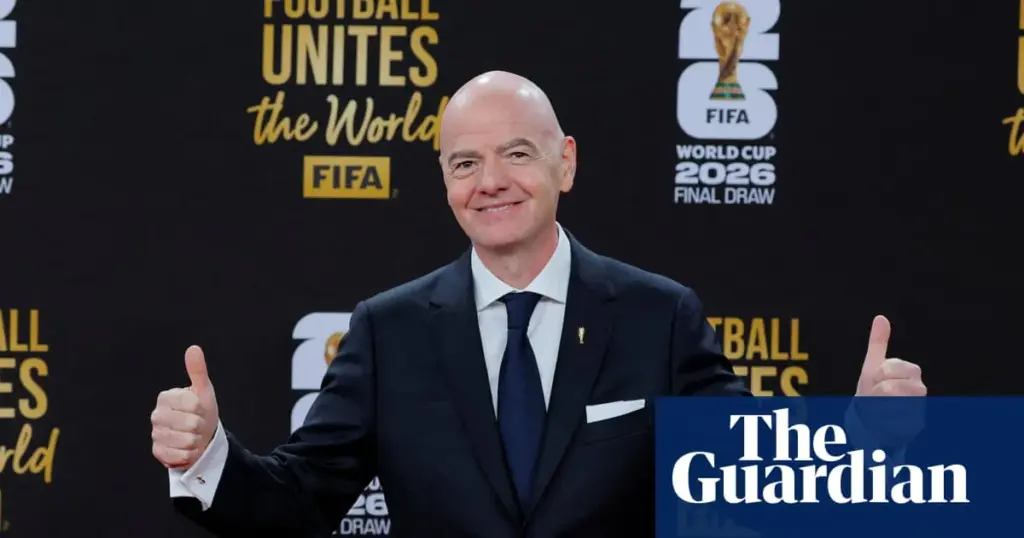
UEFA and its 55 national associations have unanimously rejected FIFA‘s proposal to transfer ownership interests in the World Cup and other FIFA competitions to private investors. The European football governing body stated that its national teams will not participate in any FIFA competition as long as these proposals are active, unless they are entirely abandoned and binding assurances are given that FIFA will not again open its governance or competitions to private ownership.
UEFA emphasized that the World Cup should not be treated as an investment product, highlighting its legacy built by players, national teams, and supporters. The organization views the proposal as an irresponsible and indefensible move, conceived in secret and brought to the brink of approval without meaningful consultation with those entrusted with stewarding the game. This is seen as a failure of leadership and an abdication of FIFA‘s duty as the custodian of world football.
Casino Bonuses

100% up to C$750 + 200 Free Spins
- Welcome Package up to C$2,000
- 10% Weekly Cashback

150% up to C$500 + 100 Free Spins
- Welcome Bonus up to C$1,500
- 50 Free Spins Every Friday

100% up to C$1,000 + 150 Free Spins
- Up to C$3,000 on First 3 Deposits
- 25% Reload Every Monday
Concerns over Commercialization and Governance
The core of UEFA‘s opposition lies in the belief that external investors acquiring ownership interests in FIFA competitions would fundamentally change football. They argue that commercial return would become a permanent obligation, and investor expectations would exert daily pressure. This, in turn, would mean that decisions regarding the international calendar, competition formats, and the future of football would be driven by serving shareholders rather than the best interests of the game itself.
UEFA asserted that this model has no place in world football, stating that the game’s future cannot be dictated by those whose primary duty is to maximize financial returns. The interests of national associations, leagues, clubs, players, and supporters should not be subordinate to investor returns, and football should not mortgage its future for financial gain. Europe’s position is clear: it will not legitimize this model, as no one has the moral authority to sell what they hold in trust for future generations.
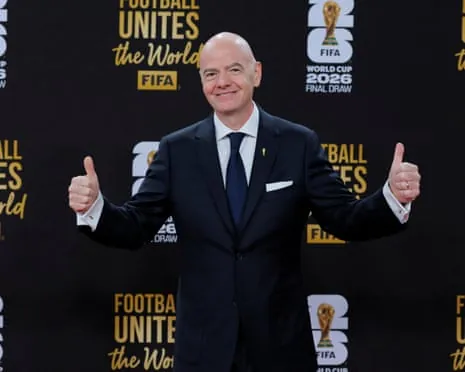
The proposal from FIFA was outlined in a 25-page sales deck titled “Fifa Forward Enterprise Member Materials,” which details plans for financial growth through more tournaments, higher ticket prices, and debt financing. The document suggests the creation of a new company for FIFA‘s commercial operations, with a portion to be sold to an investor. This prospectus was reportedly produced by JP Morgan, the same US bank involved in the European Super League breakaway five years ago.
FIFA’s Sales Pitch and Member Reactions
The sales deck indicates that growth would stem from an expanding tournament portfolio, third-party capital sources, debt financing, and prioritizing high-yield partnerships and events. It also references more than doubling the number of global tournaments held annually, from 200 to 450, which could significantly increase player workload. Staging the World Cup more frequently is presented as a way to raise revenue, a concept previously proposed by Gianni Infantino five years ago, who suggested making it a biennial tournament.
The bank’s proposal also includes plans to expand and optimize media rights monetization, raising the prospect of selling TV coverage for major events like the World Cup to subscription channels or streamers. JP Morgan claims FIFA is “undermonetized,” drawing comparisons with sports leagues whose revenue figures are based on club or franchise earnings, rather than comparable governing bodies.
The document, sent to all 211 member associations, prompted a strong reaction. One senior figure questioned the need for FIFA to take on debt, given its financial standing. Another highlighted the unusual comparison between a world governing body and private, member-run leagues. The proposed timeline for completing the deal, which suggests investors would gain access to a term sheet and select materials in August before a member vote, was also questioned.
Notably, the document contains little mention of the investor group’s identity, projected returns, or exit terms. A significant omission is the complete absence of any reference to women’s football across all 25 pages of the prospectus. UEFA and its national associations have vowed to oppose these plans with absolute determination, stating that the World Cup belongs to football and will never be for sale as long as Europe has a voice.
Source: uefa.com

